


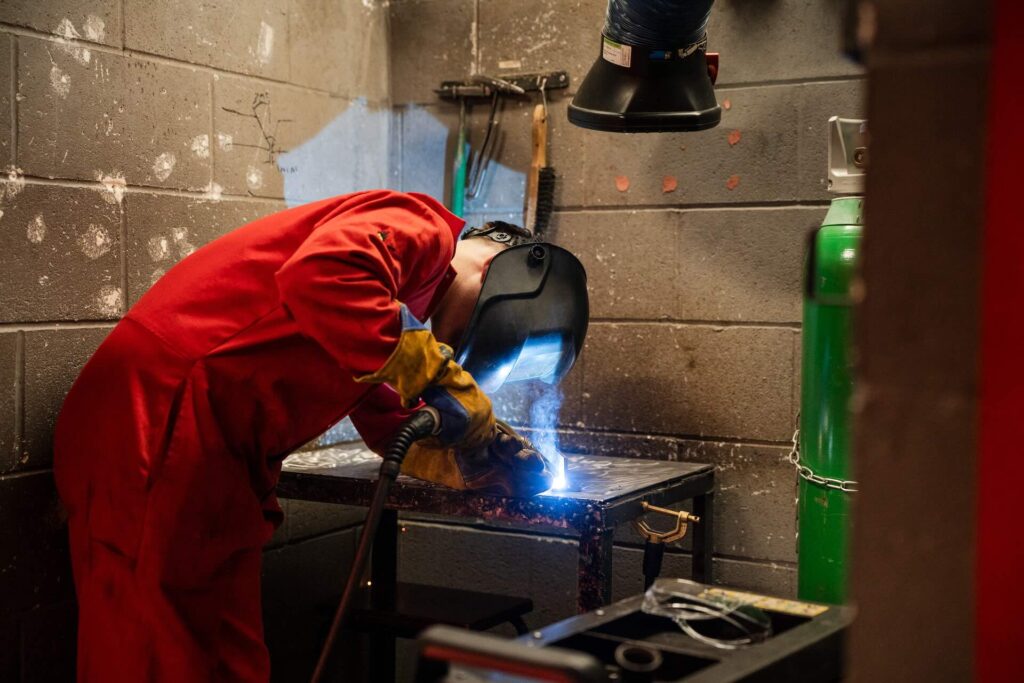
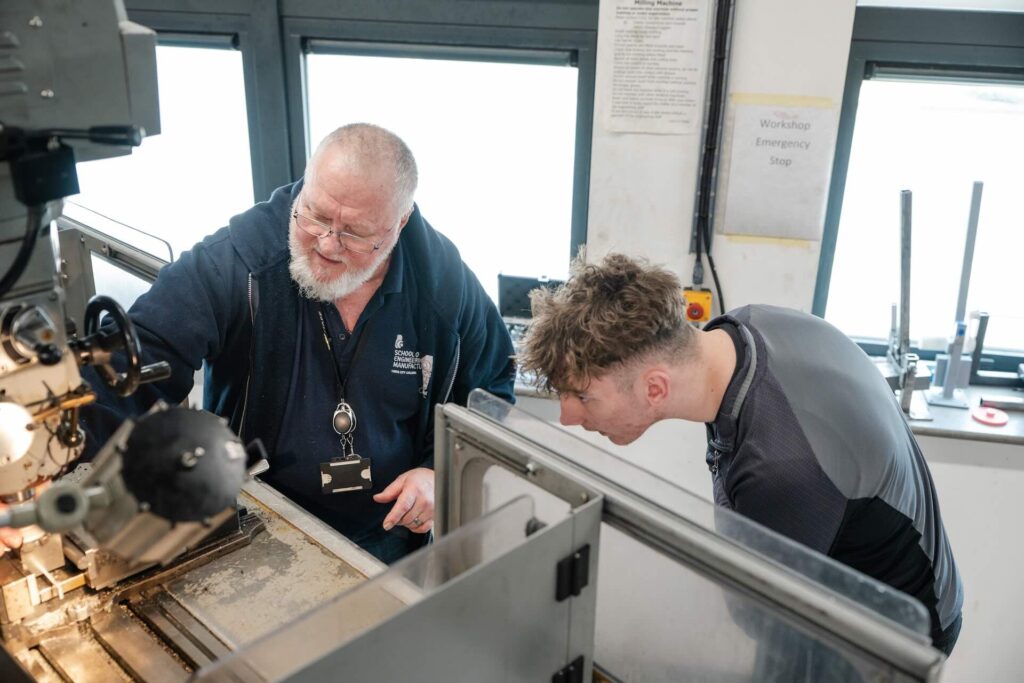
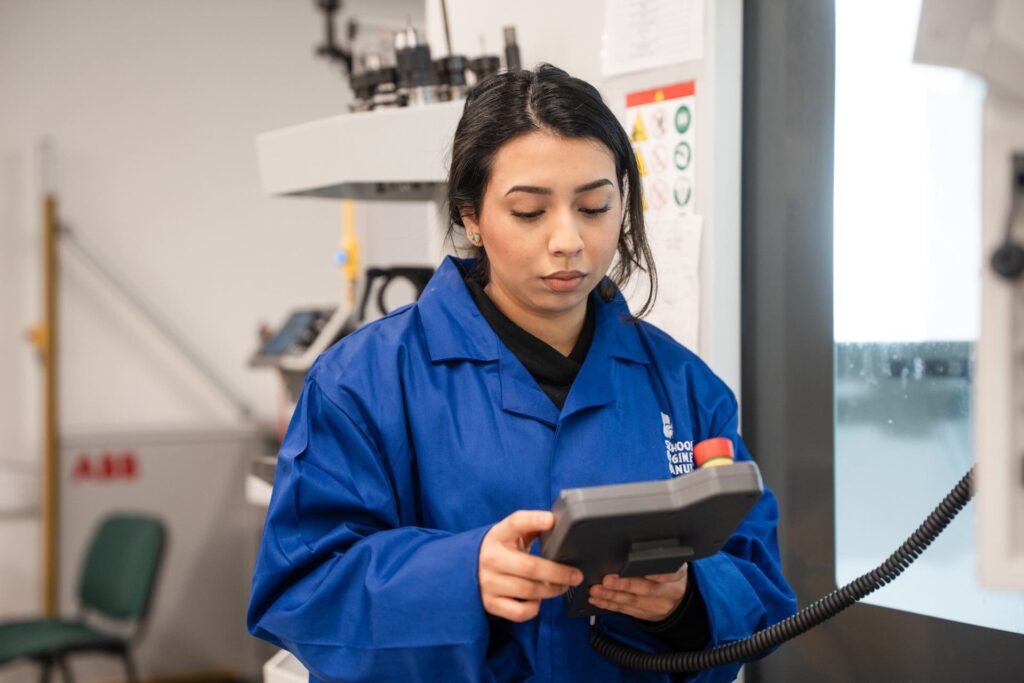
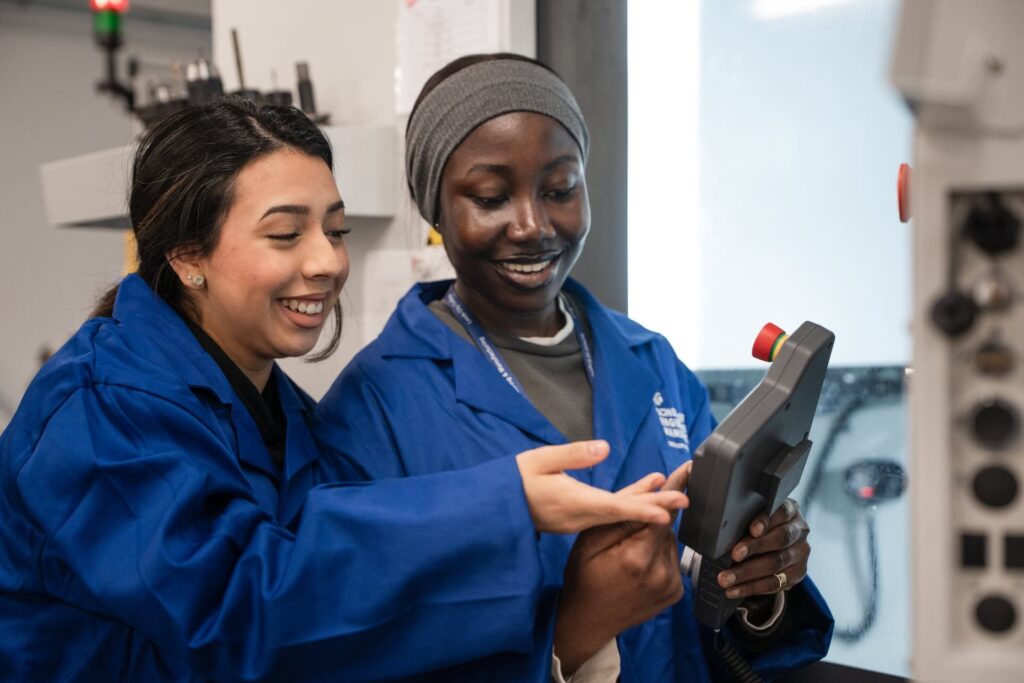
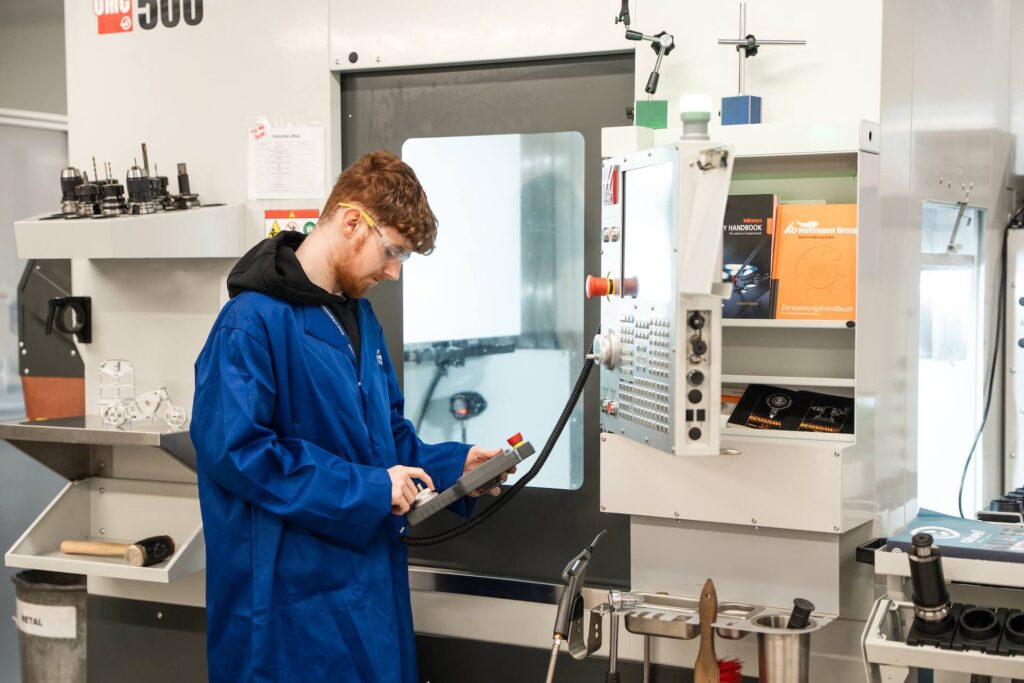
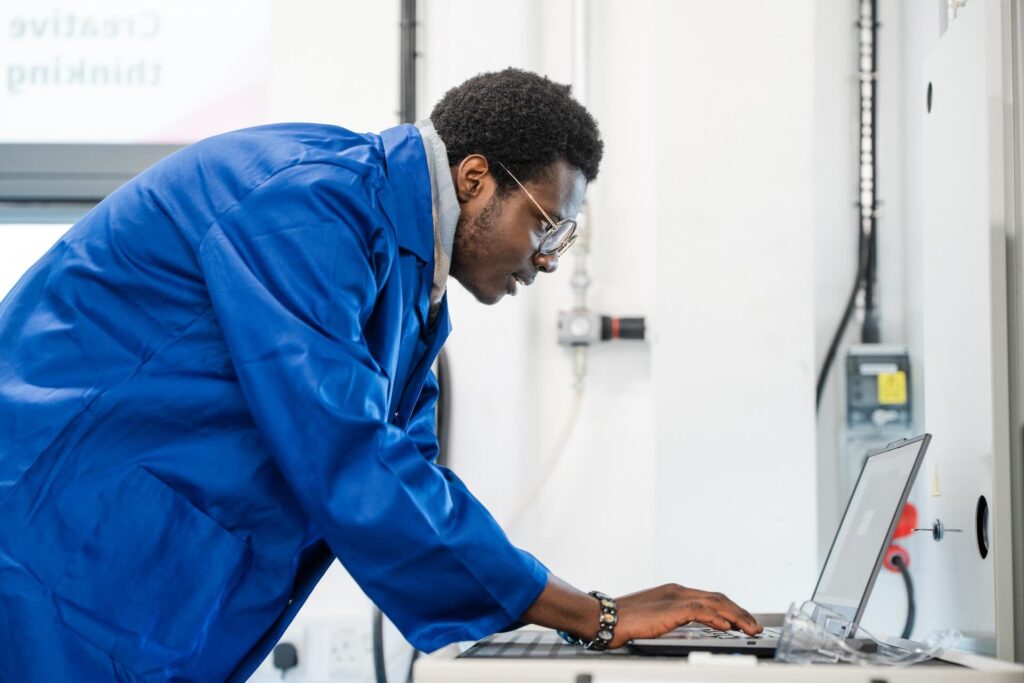
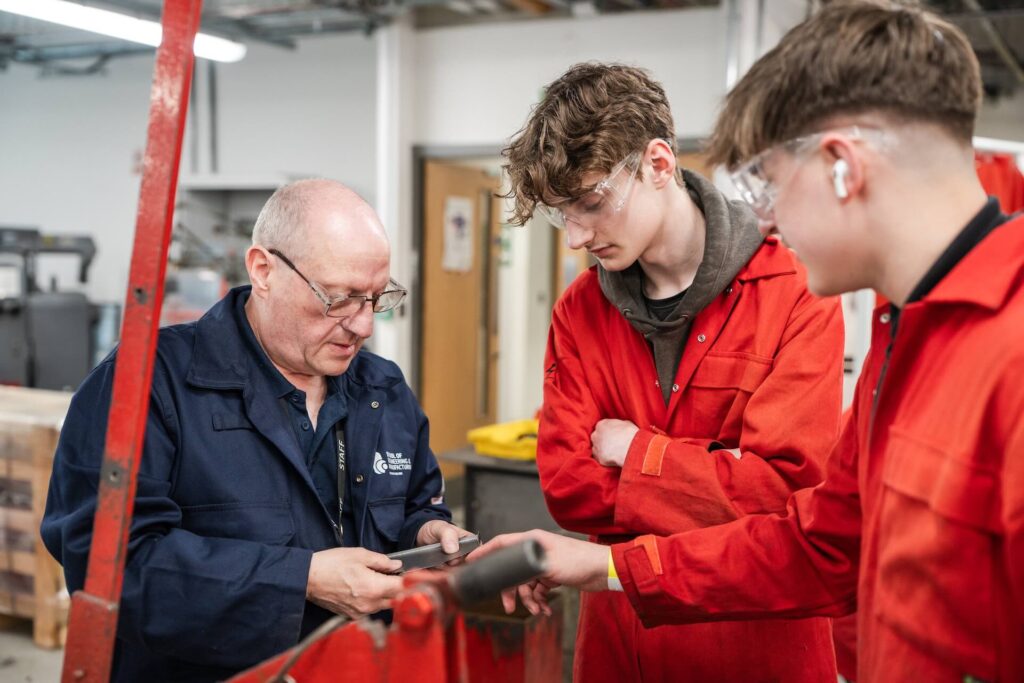
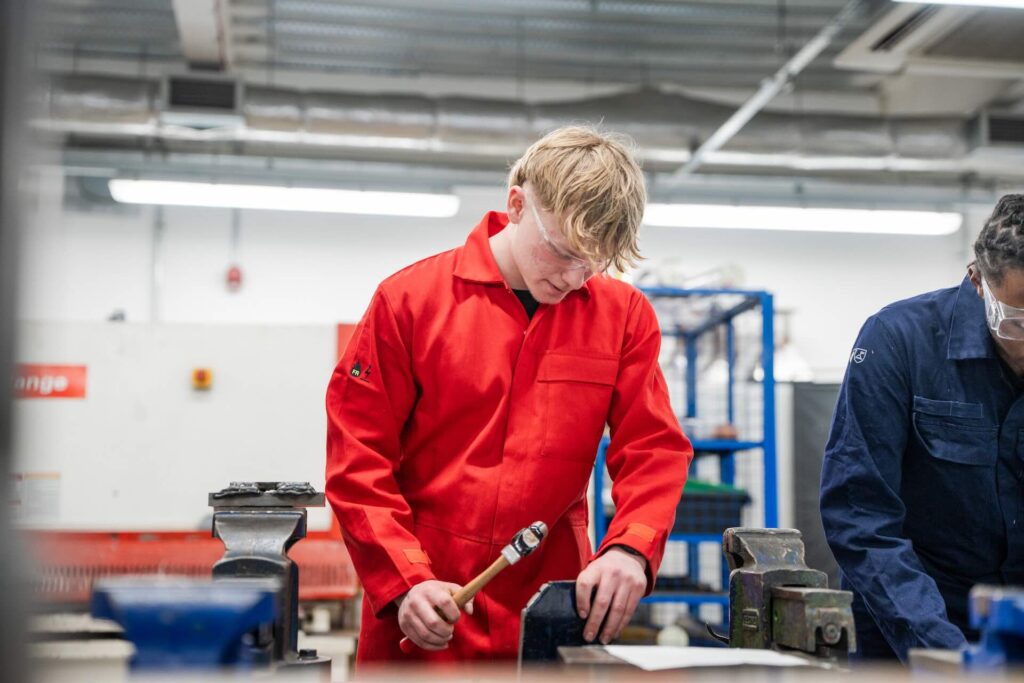
Typical job roles
- Welder
- Fabricator
- Sheet Metal Worker
- Welding Inspector
- Welding Engineer
- Pipe Welder
- Ship Welder
Apprenticeship Information
Introduction
Engineering Operatives perform essential manufacturing tasks, maintain equipment, operate machines, and follow safety and quality standards, working individually or in teams across various engineering sectors.
Overview
Engineering Operatives play a vital role in manufacturing and engineering sectors by performing a wide range of tasks such as machine operation, maintenance, assembly, fabrication, and technical support. They work independently or as part of a team, ensuring equipment is serviceable, carrying out quality checks, and complying with safety and environmental regulations. While job specifics vary by sector, core skills remain consistent. Operatives must follow detailed instructions and take responsibility for the accuracy and quality of their work. Roles include machine setter, fabricator, fitter, maintenance operative, and technical support operative, among others.
Available apprenticeships and progression options
- Engineering Operative
- Machine Setter/Operator
- Mechanical Engineering Operative
Fact sheets
Click here to find out more about this apprenticeship.
Follow us on Social Media